ABOUT ME
I spent much of my life inside systems that rewarded endurance and punished vulnerability.
I was raised in a working-class Catholic family where obedience was mistaken for love, silence was mistaken for strength, and survival often mattered more than understanding. Like many young men searching for identity, purpose, and belonging, I gravitated toward institutions that promised meaning through sacrifice, discipline, service, and performance.
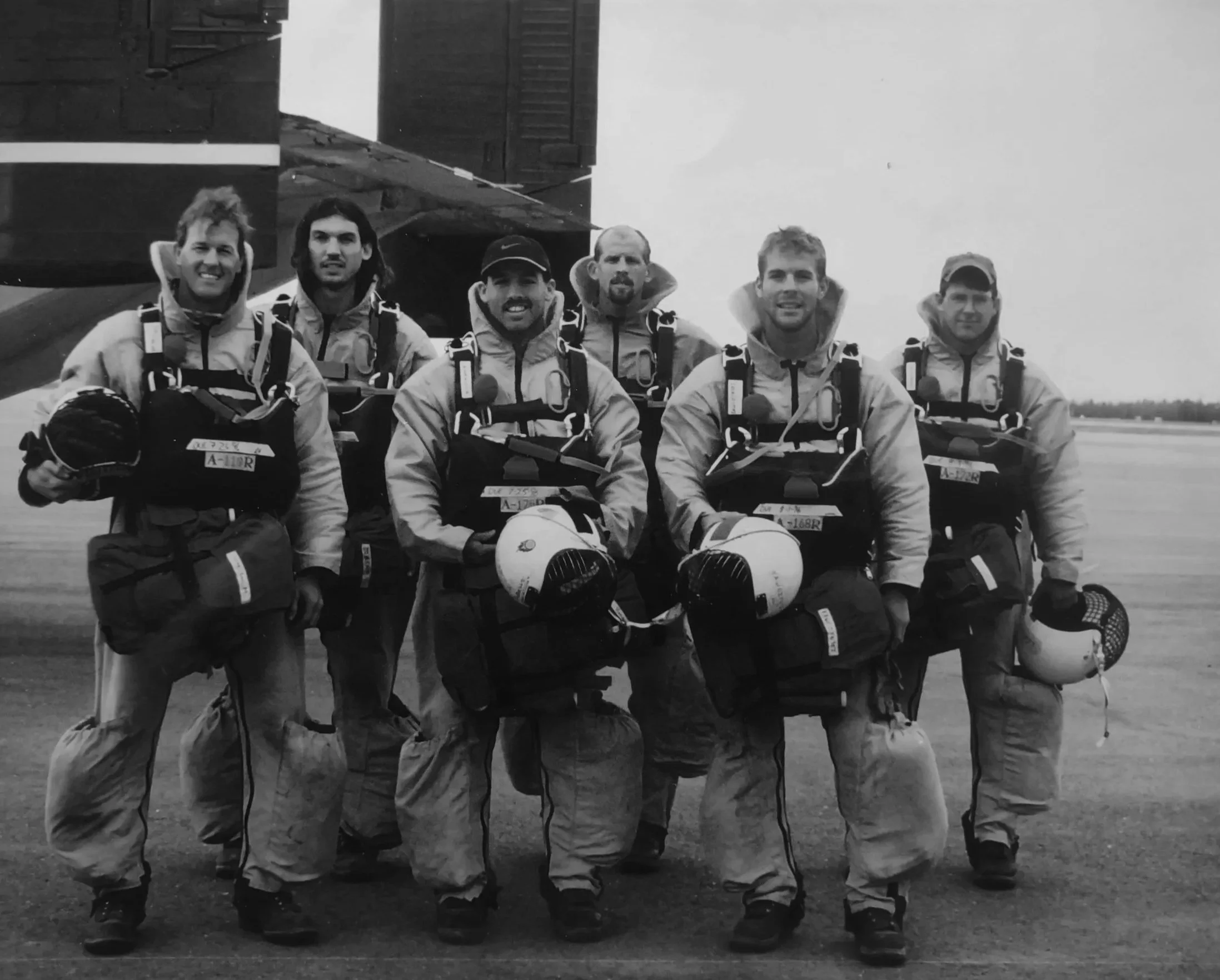
The Marine Corps gave structure to parts of me that already knew how to endure. NGO contracting and the world of smokejumping continued the pattern: high-risk environments where fear became normalized, exhaustion became identity, and usefulness became the measure of worth.
For years, I believed survival itself was proof that everything was working.
It took far longer to understand that surviving and living are not the same thing.
Like many veterans, first responders, caregivers, and quiet survivors, I carried the invisible aftermath long after the environments themselves were gone: PTSD, TBI, migraines, insomnia, hypervigilance, rage, isolation, chronic pain, and periods of suicidal ideation that were easier to hide than explain.
What I could not understand for a long time was why healing felt almost impossible once survival became part of my identity.
Dirt Merchant was born from that question.

Writing this memoir required confronting experiences I had spent years minimizing, intellectualizing, joking about, compartmentalizing, or outrunning entirely.
I didn't want to write a manifesto, assign blame, or portray myself as a victim. I wanted to understand what happens when the systems that shape us become part of who we are—and what healing might look like once survival is no longer the only way we know how to live.
Though this story begins with my life, it is not only about me.
It is for the people still carrying things they were never taught how to put down.
For the families who have watched someone they love slowly disappear behind silence, anger, exhaustion, addiction, chronic pain, insomnia, PTSD, TBI, or survival itself.
And for anyone trying to find their way back to the person they were before endurance became their entire identity.
I'm glad you're here.